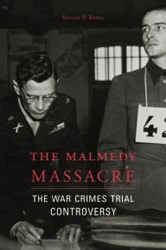
Tomaz Jardim’s premise is that justice was not served in a number of the regional war-crimes trials held at many concentration camps under the auspices of the U.S. Army. Jardim shows how pitifully unprepared the Americans were for the trials in terms of who should be tried and where, and most importantly, in terms of the legal issues raised by the trials. He also shows that agendas other than seeking justice impacted on the entire war crimes effort. Jardim’s basic accusation is that the Army used flawed prosecutorial methods. This leads him to a twofold conclusion: First, that some sentences were excessively harsh – especially for some of those tried in the war’s immediate aftermath – while many major war criminals received barely a slap on the wrist. Second, that in many cases, for example at Mauthausen, the courts were so prejudiced that they were, in effect, kangaroo courts. Jardim is sympathetic to all sides, a difficult accomplishment under the circumstances, but he tries too hard to find a contemporary resonance to the Mauthausen trial.
Join a community of readers who are committed to Jewish stories
Sign up for JBC’s Nu Reads, a curated selection of Jewish books delivered straight to your door!