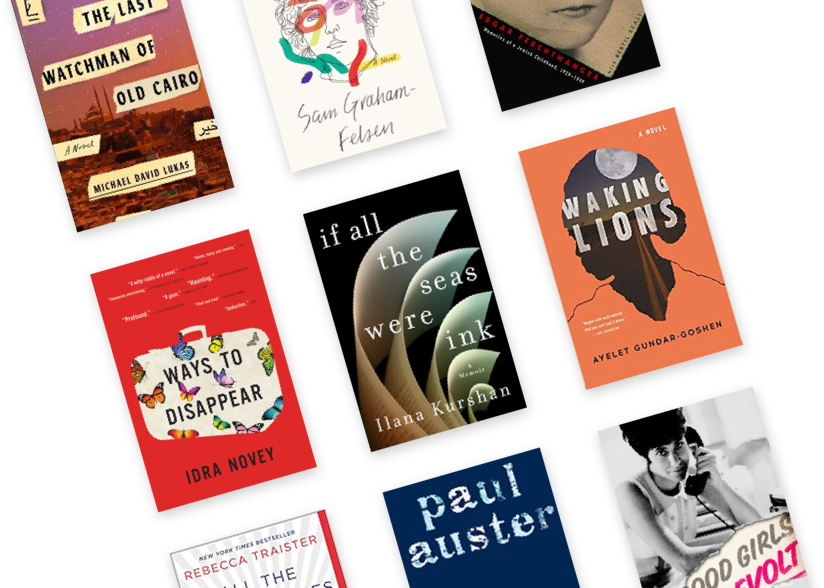
How do we go on when our most basic assumptions about the world collapse?
In the months after October 7, 2023, Calev Ben-Dor taught the Book of Job in Jerusalem, the story of a man whose world is destroyed in an instant, who rejects easy answers and demands a hearing from God. In the Bible, only Job and Abraham speak of themselves as “dust and ashes.” After October 7, when homes became dust and people were turned to ash, the phrase was no longer a metaphor.
After the Dust and Ashes moves between the ancient text and the present day: the burned homes of Kfar Azza and Be’eri, the Nova festival site, the vigils of Hostages Square, the protests outside the prime minister’s residence. Drawing on the Talmud, Maimonides, Elie Wiesel, Viktor Frankl, and David Grossman, and on his grandparents’ stories of loss and rebuilding after the Holocaust and his own experience of cancer, Ben-Dor follows Job’s path through grief, comfort, protest, and hope.
Refusing both easy consolation and despair, he finds in Job’s ambiguous ending not one way forward but three, and a guide to living, and even dancing again, after the unimaginable.