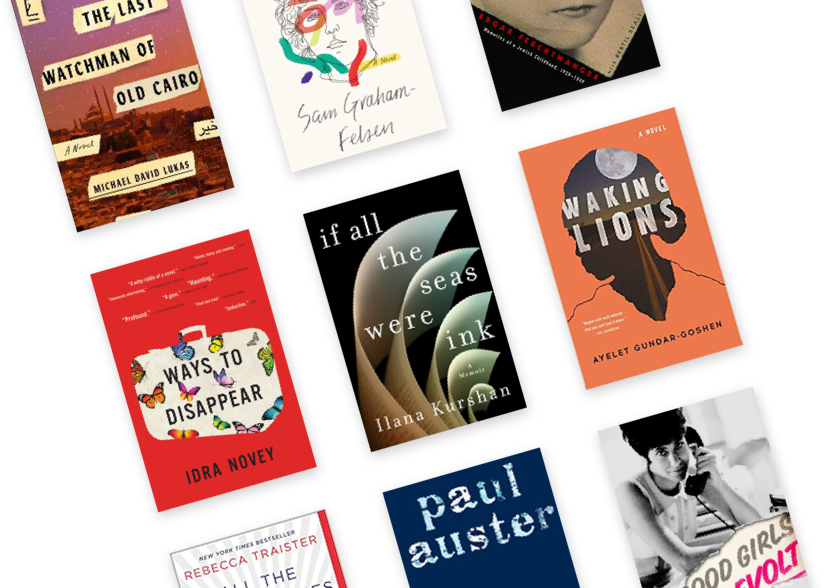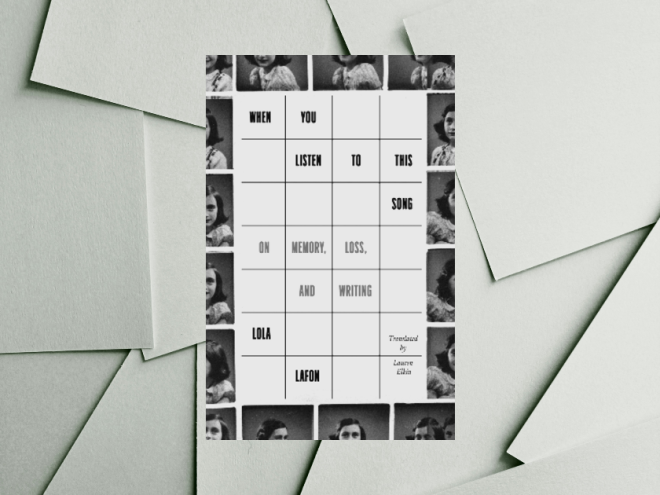
While some cultures honor the past with pyramids or triumphal arches, Jews build monuments of paper and ink. Jane Ziegelman examines scores of yizkor books that describe the day-to-day life of Eastern European shtetls. She describes them as “portable monuments of a nomadic people [that] provided Jews with both a way to mourn and a way to remember.” In fact, the word “yizkor” comes from the Hebrew lizkor, “to remember.” The earliest surviving yizkor book was written in 1296 in Nuremberg and the tradition was carried on for centuries. After World War II, when so many communities were obliterated, surviving Jews turned to this form of memorial in great numbers. An estimated 1,500 books exist today, most of them produced from the 1960s through the 1980s.
Yizkor books cover everything from street design and buildings (“every broken down shed and rusty gate had tales to tell … the landscape was like a text you could read”) to superstitions, to the dimly lit rooms of the cheder, where the melamed was often so poorly paid that he had to moonlight in order to eke out a living. Though Ziegelman includes books from many towns, she focuses on her own family’s shtetl of Luboml. Once There Was a Town reads like a delicious collection of short stories. Each chapter explores a different issue; collectively they weave together a rare, complex, granular depiction of daily life in the shtetl.
Because there were so many contributors to the yizkor books, and because many of those contributors had been through major trauma, there was often disagreement over what to include. One of the major arguments was whether to render them in Yiddish or Hebrew. But there were more obscure disputes. In Luboml, for example, there was tension between the Radziner Hassidim and everyone else over whether blue dye — derived from cuttlefish — should be used to color the tassels of the prayer shawls. Other Hasidim favored a dye derived from a sea snail. The yizkor books also reveal stark class differences. The small percentage of wealthy Jews — wholesale merchants and grain brokers — lived a very different existence from those who “hauled, hammered, sawed, beat hides, forged iron, and drove carriages.” The section on food further conveys a visceral sense of widespread poverty. Potato was added to everything from soup to dumplings to dough. The diet was mostly plant-based, and the closest thing most families had to meat was herring, pickled, stewed, fried and baked.
After World War I “new winds began to blow,” bringing new freedoms, especially for women. Young lovers no longer had to abide by the tradition of arranged marriage because they felt they were no longer bound by the “yoke of the Torah.” The cultural richness of shtetl life is so eloquently drawn that later chapters on Nazi occupation and the Holocaust induce an even more stark sense of loss. For Jews trying to escape arrest or liquidation, even a moonlit night turns from a celebration to a liability.
Ziegelman quotes the Luboml yizkor book on the tragedy of orphaned, abandoned, children begging for a scrap of bread. She asserts words are imperfect vessels as conveyers of meaning, but asks, “What else do we have?” These imperfect renderings of life and death, joys and sorrows are indeed great monuments to our dead.
Elaine Elinson’s historical novel Radiant as the Stars, inspired by her grandmother’s diaries, will be published in August by Sibylline Press.