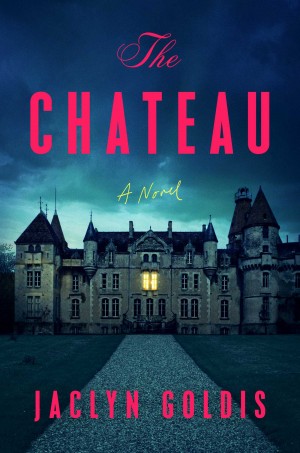
In Jaclyn Goldis’s fourth thriller, The Last Time We Saw Her, a group of teenagers go on a heritage trip in the Azores, an isolated island in Portugal once the home to crypto Jews who fled Spain during the inquisition. Just prior to their trip, the teenagers discover that there’s supposedly a treasure on the island dating back to its early Jewish settlers. After they arrive, one of the campers is murdered; her sister is implicated, albeit not charged with the murder, and all of their lives are irrevocably altered after that moment. Ten years later, they all return to the island to film a documentary about what happened and to hopefully get to the truth.
It’s a thrilling premise, one that Goldis explores brilliantly. Her prose is quick and witty, switching between the points of view of the different once-teenagers-now-documentary-participants as they each suss out the others’ secrets and intentions. Friendships break down, alliances are built, and everyone just keeps getting in everyone else’s way.
The research that Goldis put into the novel shines through in fascinating ways. She richly explores the legacy that the Inquisition had on this section of Portugal and the Jews that, centuries later, survived. There are notes of generational trauma, stories of resilience. Perhaps most impressive is how Goldis takes this section of history and splices it into the present-day plot points of her thriller. The treasure is only available because of the Jewish history with the land; the clues that point the characters toward the treasure and the identity of the killer are themselves soaked in that history. It spotlights Sephardic ancestry in a way that feels authentic to both the land and the story being told.
There are some elements of the story’s structure that leave a bit to be desired. Several of the voices that tell the story end up sounding very similar; with hints of snark and depressive tones, each one holds themselves back both from the reader and from the others in the book. At times, this makes it challenging to keep track of the characters’ relationships and their personal backstories.
Additionally, the shuffling perspectives and the length of each one sometimes leads to certain plot points being washed over in summary, which in turn sucks some tension out of the novel. Some potently dramatic moments are told from perspectives that evidently have less at stake in the moment.
Nevertheless, Goldis succeeds on the whole in writing a strong thriller. It is stacked with many unexpected twists and turns, and the characters each are cast in thick, reasonable suspicion. The layers of Sephardic history also make this novel a standout among other modern-day thrillers.
Benjamin Selesnick is a psychotherapist in New Jersey. His writing has appeared in Barely South Review, Lunch Ticket, Tel Aviv Review of Books, and other publications. He holds an MFA in fiction from Rutgers University-Newark.