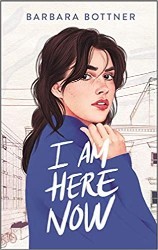
This fast-paced historical fiction novel explores themes of womanhood and motherhood throughout different eras. Vivian Kolson Jacobson is a homemaker in the Chicago suburbs in 1956. She is a wife to Mel, an army veteran ten years her senior, and mother to four young children, two of which are still in diapers.
The story alternates between 1923 and 1956, with the earlier portions focusing on Vivian’s mother, Hannah. After her husband left them, Hannah raises her kids with the help of eldest daughter Ethel. Due to the family’s economic hardships, Ethel becomes an invaluable helper and second mother to Vivian and her brother.
Hannah is determined that her daughters receive an education and have the opportunity to pursue a better life. Ethel grows up to be an eccentric artist who never marries, while Vivian lives a more protected traditional life working for the Jacobson family business. The novel demonstrates the influence of women’s roles during these postwar times, along with the burden the characters feel with the typical social pressures to marry and start a family.
Mel, a nephew of Vivian’s boss, has just been discharged from the army and is suffering from PTSD. He is considered a war hero and is gently encouraged to get back to his normal life, which includes returning to work and meetingVivian. Though both come from immigrant families, Mel’s family’s successful business affords him a higher socioeconomic status. The two fall in love and quickly embark on their new lives. However, Vivian is overwhelmed by the expectations society has placed upon her: she questions her ability to keep up with mothering and housework without losing her mind. She once yearned for a college education and self-fulfillment, but is forced to put these dreams aside when she is suddenly burdened with an unexpected pregnancy.
Abortion was barely whispered about during these times, and it was illegal, dangerous, and against social mores. Vivian spirals into panic and guilt at this critical decision for her future and the future of her family unit. She relies on her sister Ethel, her mother’s fierce best friend Ruth, and her neighbor Jackie for support and advice.
The dialogue describes the anguish experienced by women who must make the life-changing decision of whether or not to terminate a pregnancy. This nudges the reader into examining your own views. The author touches upon the different situations and challenges faced by these women who must make a decision within a very short window of time, while also taking into account their own health, their partner’s wishes, religious convictions, family structure, economics, and social pressure. The author ends the story by referencing the passing of Roe v. Wade on January 22, 1973 — this landmark decision was celebrated with relief and joy for so many people. In the wake of the reversal of this decision in 2022, the author explains her opinions about the critical need for freedom of choice.
Miriam Bradman Abrahams, mom, grandmom, avid reader, sometime writer, born in Havana, raised in Brooklyn, residing in Long Beach on Long Island. Longtime former One Region One Book chair and JBC liaison for Nassau Hadassah, currently presenting Incident at San Miguel with author AJ Sidransky who wrote the historical fiction based on her Cuban Jewish refugee family’s experiences during the revolution. Fluent in Spanish and Hebrew, certified hatha yoga instructor.