Join a community of readers who are committed to Jewish stories
Sign up for JBC’s Nu Reads, a curated selection of Jewish books delivered straight to your door!
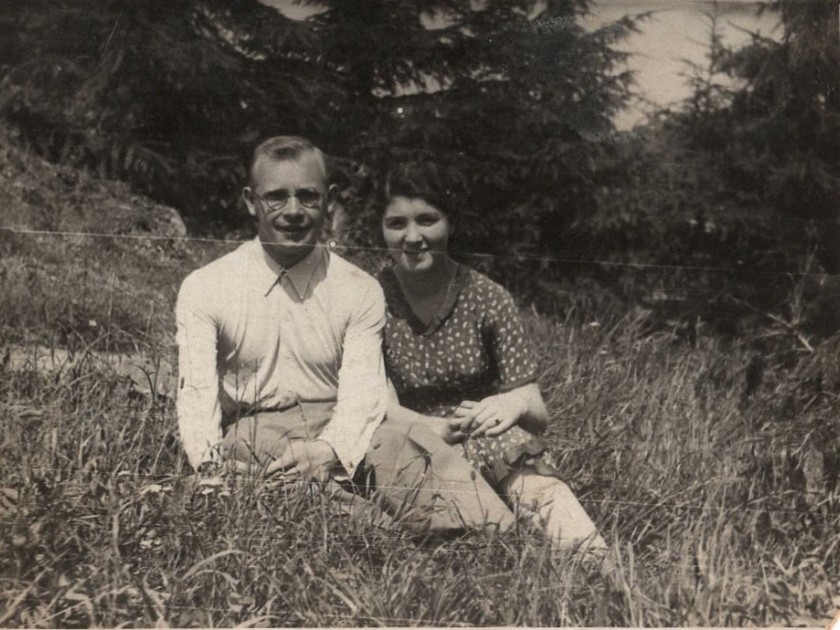
Mottel and Peshke, Daniela’s grandparents, in Zamość before the war.
All photos courtesy of the author
When my wife and I discovered that our grandparents had once been neighbors in Zamość, Poland, we naturally wanted to investigate further. I’m an immigration reporter; she is an immigration attorney. We drew on our respective skills to find out all we could about their shared history, and also how they survived the Holocaust via a 5,000-mile parallel refugee journey through the Soviet Union. The transformative search took us to Soviet secret police archives, a government records office in Uzbekistan, and the depths of the US immigration genealogy system.
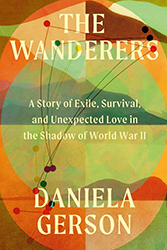
Here’s what we learned in the process of researching and writing my new book, The Wanderers: A Story of Exile, Survival, and Unexpected Love in the Shadow of World War II.
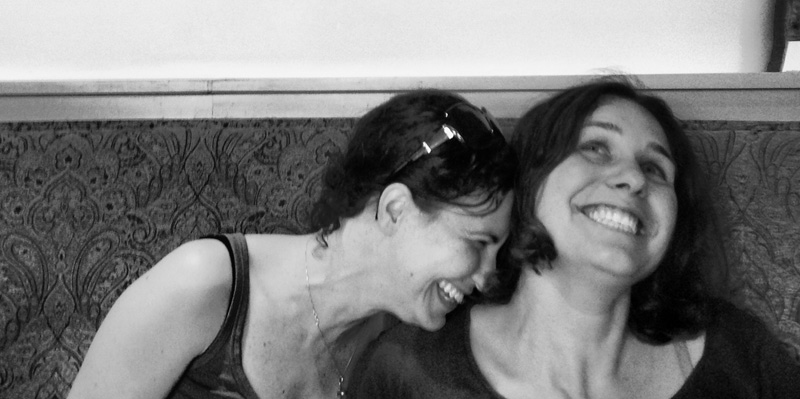
Daniela and Talia before their engagement party.
I first unearthed records about my family more than twenty years ago, long before I met my wife. I was interviewing the new director of the New York Association of New Americans for a newspaper profile. When I mentioned that my father had been resettled as a young boy by its parent organization, HIAS (the Hebrew Immigrant Aid Society), he excitedly told me I might want to see their files. Weeks later, a thick envelope arrived — dozens of pages of handwritten notes outlining my father’s first years living under a false identity in New York. If HIAS resettled your family, they can help you access their archives, which are now held at the Center for Jewish History.
When we started researching as a team, my wife immediately submitted a Freedom of Information Act (FOIA) request for immigration records — something she regularly did for her own clients. When her father’s file turned up it included a naturalization photo she had never seen. For my father, who entered under a false identity, I reached out to genealogist Jennifer Mendelsohn — of #ResistanceGenealogy — who gave me tips on tracking down naturalization petitions. She informed me I could submit a request through the little-known USCIS Genealogy Program. It worked where countless other efforts had failed, revealing to me how my family was able to transition out of their fake identities. Just be prepared: it can take over a year and involves hefty fees.
We joined a Facebook group for people with roots in Zamość, and then I emailed Shelley Pollero, the area coordinator for Jewish Records Indexing – Poland (JRI). Within an hour, she sent back a list of family marriages, births, and deaths going back to the 1840s. I also used the commercial sites Ancestry and MyHeritage to track family members and connect with distant relatives. You might want to start your search at JewishGen, which hosts JRI. If your family is from Poland, the Jewish Historical Institute in Warsaw also has its own genealogy department.
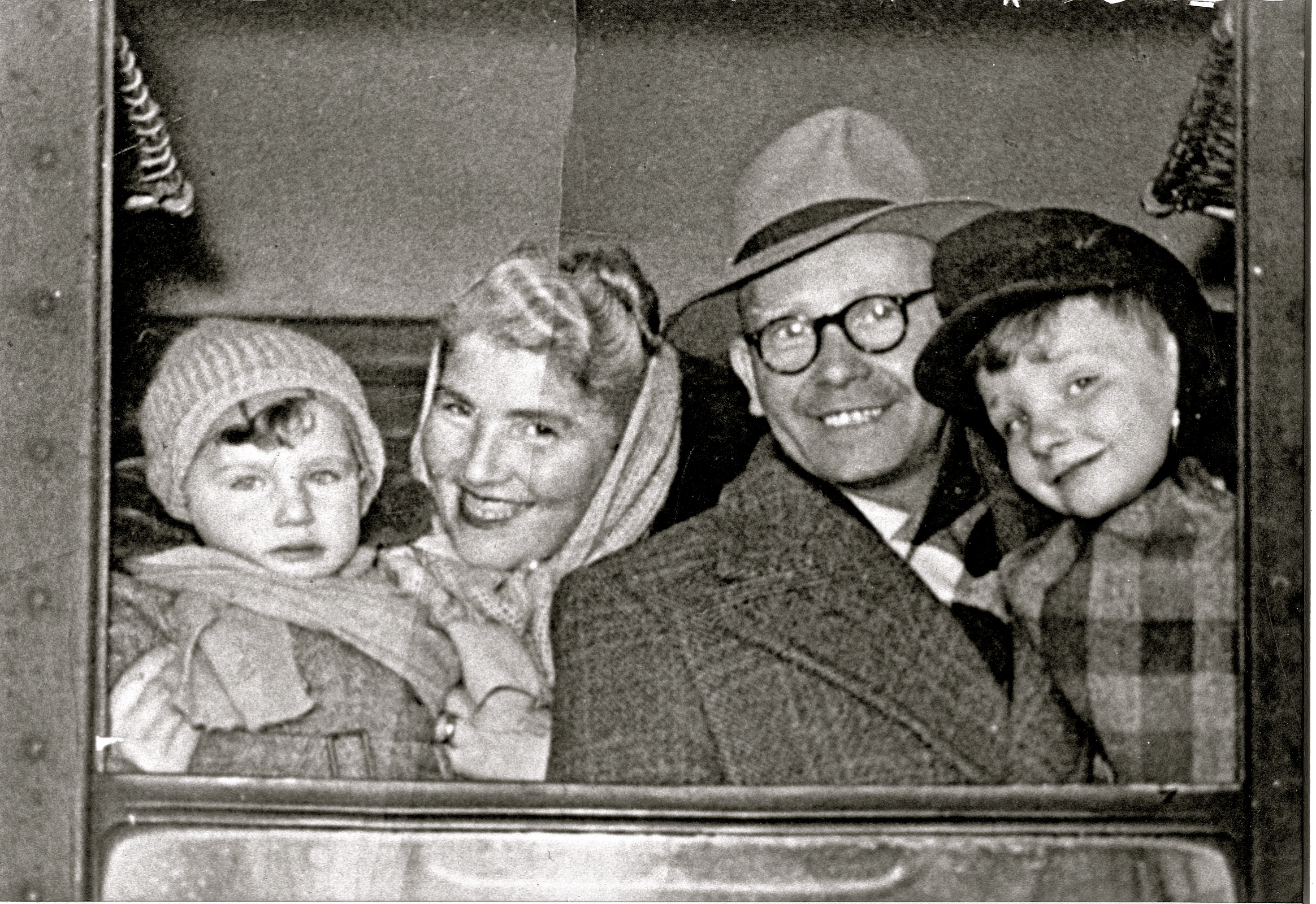
Mottel and Peshke, under the false identity of the Blumstein family, leave Germany with their two boys for the United States.
Yizkor (memorial) books are volumes that survivors of the Holocaust primarily compiled, documenting their destroyed hometowns in extraordinary detail. These books are invaluable resources. They contain the names of rabbis, fishmongers, theater troupes and their members, as well as the dates and the names of those who perished in pogroms. In ours, I found a portrait of my grandfather and vivid descriptions of my wife’s family’s standing in the community.
The New York Public Library holds about 760 Yizkor books, of which roughly 680 have been digitized, primarily through a partnership with the Yiddish Book Center. You can access them through the NYPL Yizkor Books guide. Hundreds are also translated from the original Yiddish with support from JewishGen.
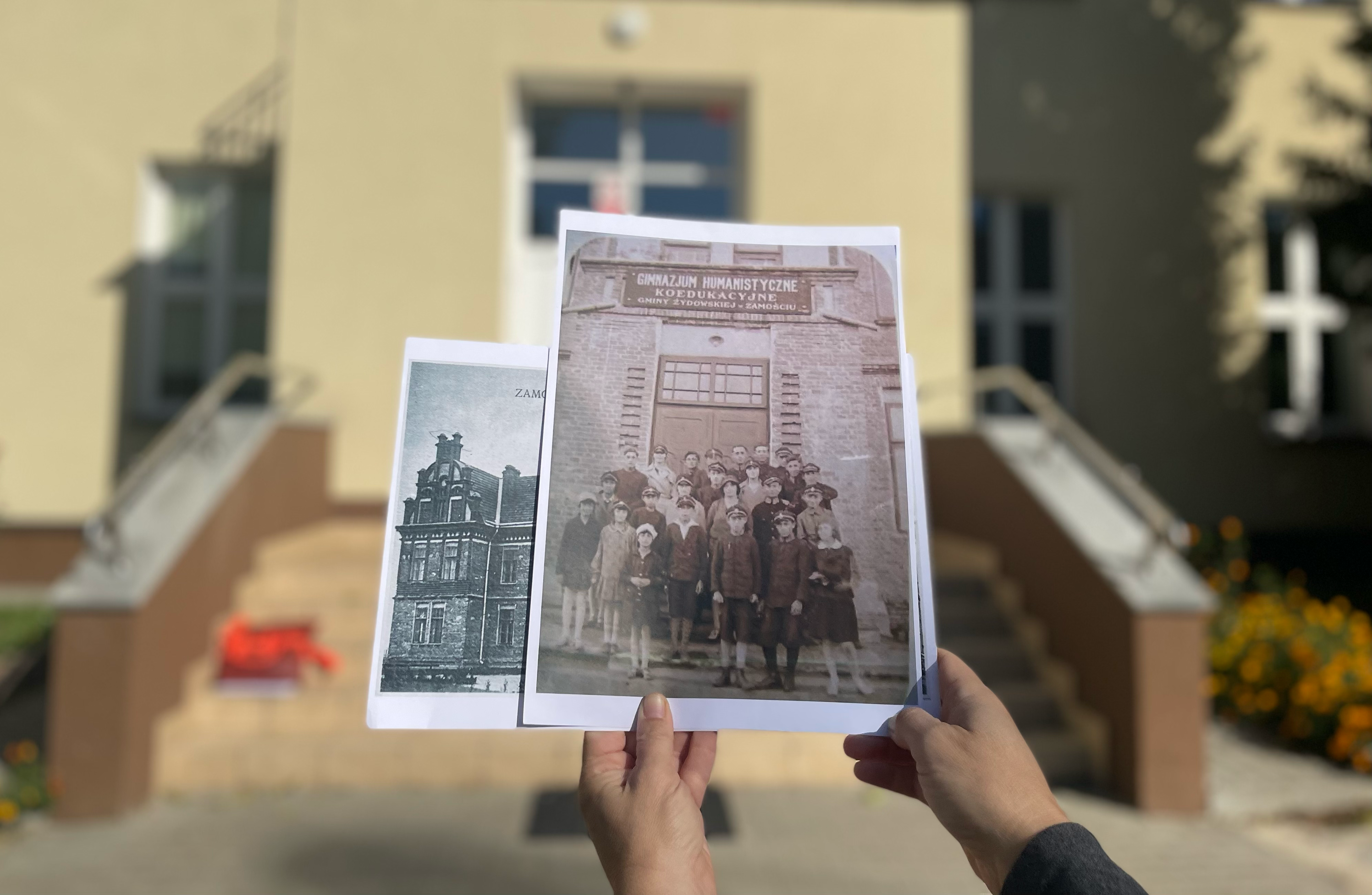
In our family’s shared town, Zamość, a high school teacher helped us identify records dating to the 1800s and, crucially, the names of my wife’s murdered uncle that no one in our family had known. We had a similar experience with a history teacher in Austria, where my wife’s family had lived as refugees after the war. He led us to the last remnants of the displaced persons camp and shared a tremendous collection of newspapers in Yiddish. We found both teachers by asking around for who knew the local history best before we traveled abroad. This kind of on-the-ground knowledge is irreplaceable.
I assumed I’d hit impassable walls everywhere in my research: Soviet secret police files in Yekaterinburg after diplomatic ties collapsed, Uzbek city records for a man who left at six months old, Polish communist archives for a family who was only there briefly after the war. But I was wrong on all counts. Here is a partial list of archives that I was able to access and what I gleaned from them:
A fellow reporter pointed me to a researcher at the United States Holocaust Memorial Museum who was enormously helpful in navigating specific archives. But what struck me most was how much has been digitized, and how directly accessible the Holocaust archives were. Here’s where to start:
The number of places to search may feel daunting, but the best way to start is to see what you already have in your family. Unearth those dusty VCR boxes. Who did you interview? Get your cousin to convert his records, and you may discover you already know more than you imagined! As the late historian Roger Daniels told me decades ago when I told him I first wanted to research my family’s migration story: “Just be aware, you never know what you’ll uncover!”
Daniela Gerson is an award-winning immigration reporter, an associate professor of journalism at California State University, Northridge and editor-at-large at Zócalo Public Square. She previously co-founded Migratory Notes, worked as a community engagement editor at The LA Times and as a staff immigration reporter for the New York Sun.