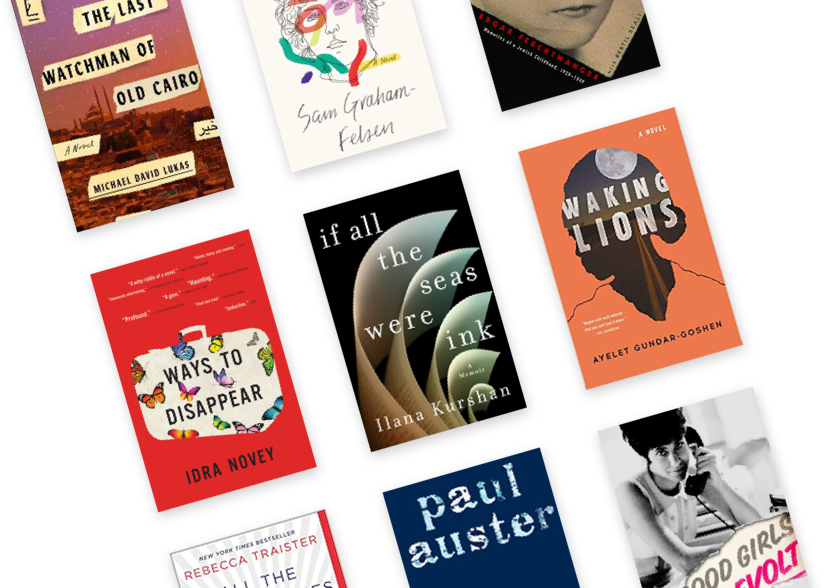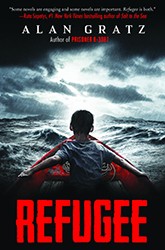
Alan Gratz, author of the historical novel Refugee (2017), has reimagined this work as a graphic novel, with illustrations by Syd Fini. In this new version, Gratz offers an additional entry point into the gripping stories of escape and resettlement in his book. His characters speculate whether it is safer for those in their situation to remain invisible, or to deliberately call attention to their plight. Adding images to the stories of Josef, Isabel, and Mahmoud, intensifies that question.
In Germany, the year 1938 brings increased threats to Jews. Josef Landau’s father, Aaron, is arrested, and when he is released, he is haunted by memories of torture and death. The family is desperate to emigrate. Refused entry to the United States, they board a ship for Cuba, but it happens to be the MS St. Louis, doomed to be denied port at any safe harbor. Meanwhile, the ship’s German captain attempts to protect his Jewish passengers from Nazi agents sent by the German government. Josef cannot fully process his father’s emotional deterioration, especially as the former prisoner’s distress is interpreted as a sign of mental illness. When Aaron refuses to attend his son’s shipboard bar mitzvah ceremony, Josef suggests, “maybe that’s what becoming a man means. Not relying on your father anymore.” Robbing the young of childhood is one aspect of refugee life.
Isabel Fernández is a Cuban girl confronting increased hardship after the collapse of the Soviet Union, since Cuba had depended on its financial ties to its communist benefactor. When her father is threatened for participation in 1994’s protests, a perilous boat trip to Miami becomes worth the risk. Leaving the physically comfortable environment of the St. Louis, the Fernández family and their fellow emigrants cram into a rickety vessel for an improbable flight to freedom. They also turn against one another, a typically cruel result of the stress imposed by autocratic regimes.
Syria’s civil war, which erupted in 2011, left thousands with virtually no choice but to leave their country, which had been devastated by the corrupt dictatorship of Bashar Al-Assad. Mahmoud is a young boy who, in 2015, witnesses state violence, and the factionalized response that cannot offer a viable alternative. His father concludes that they must find a new future in Germany, but a bureaucratic and criminal maze awaits Syrians hoping to find shelter in a democracy that welcomes immigrants. Even the worst conditions in his home cannot counter Mahmoud’s fear of change, nor do they destroy his father’s sense of humor. When Mahmoud complains that Germany will be too cold, his father asks him, in a word bubble marked with musical notes, “Do you want to build a snowman?”
Fini’s images are frequently set against a dark background, with the blue of the sea ranging from a hopeful light to a menacing dark shade. Josef’s bar mitzvah scene features a looming portrait of Hitler overshadowing the small figures enacting an age-old Jewish ritual. Maps contextualize key scenes, including the march of undefeated Syrians walking down a highway, their only means of crossing the border between Serbia and Hungary.
There are surprising twists linking the stories, reminding readers of commonalities in the process by which human beings are converted into refugees. Sometimes, but not inevitably, they have the opportunity to invent new and dignified identities for themselves with the help of allies and friends.
Emily Schneider writes about literature, feminism, and culture for Tablet, The Forward, The Horn Book, and other publications, and writes about children’s books on her blog. She has a Ph.D. in Romance Languages and Literatures.