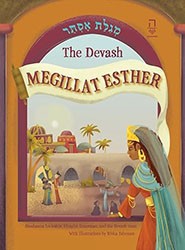
About 2,500 years ago, two authors told the story of Queen Esther. The Bible editors blended their accounts. Their story is dramatic but beset by inconsistencies and repetitions. Dr Stephen Games argues that these difficulties are the archaeological evidence of dual authorship compounded into a single linear text. Using his skills as a literary editor, Dr Games unravels the two threads, identifying them as the sometimes conflicting accounts of the two main protagonists — or of authors very like them. His astoundingly original and scholarly version shows typographically how the Esther and Mordecai texts are intertwined, making it possible to distinguish them, and resolve ancient textual problems. He also adds the Septuagint version of the book as an appendix. This includes six passages added by the Jewish community in Egyptian Alexandria in the second century BCE. The Septuagint version survived as a preferred text for three centuries. It was then banned for Jewish use. The Synoptic Book of Esther makes it available again for the first time in 2,000 years.
Join a community of readers who are committed to Jewish stories
Sign up for JBC’s Nu Reads, a curated selection of Jewish books delivered straight to your door!