Join a community of readers who are committed to Jewish stories
Sign up for JBC’s Nu Reads, a curated selection of Jewish books delivered straight to your door!
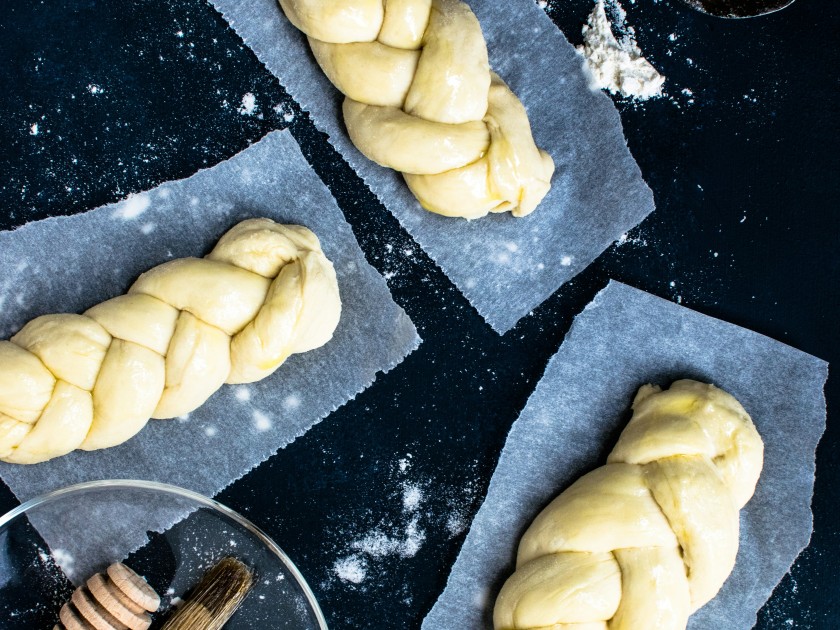
Photo by Monika Grabkowska on Unsplash
I didn’t know what the month of Elul was when I was growing up. In all fairness, I didn’t know the names of any of the Hebrew months, let alone what they signified. I knew about the High Holidays themselves, and I would miss school each fall in order to go to services on both Rosh Hashanah and Yom Kippur. But a month dedicated to reflecting on my actions over the course of the year, a month to seek forgiveness, a month to work on making personal amends; no, I didn’t know about that.
And so, instead, I approached the end of each summer for what it was — simply, an end. That was all.
Until I had children. Then, I began to learn more about my Jewish heritage and, frankly, to learn most of it for the first time. It was during a period of study that I learned about Elul and its connection to themes of repentance and forgiveness. But I still didn’t think Elul was for me.
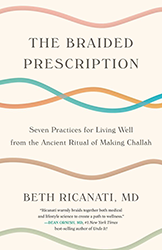
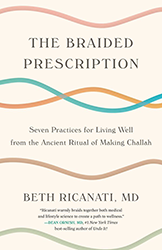
Until I began to notice the synchronicity of the meaning behind Elul and the practices that I write about in both books. The same ideas, the same ruminations on forgiveness, ritual, self-reflection, and more appear in both books: in the first they appear as I share my own story, and in the second, they appear as I share some of the stories and the science behind the practices that emerged after conducting so many challah workshops with others. I came to realize, as I conducted these workshops around the country, that small, meaningful acts — in this case, preparing to make challah, making challah, and sharing that challah with others — can and do in fact reduce our feelings of stress and loneliness. I came to realize that standing at a counter with my hands in a bowl of dough — often alongside others — is the perfect opportunity to consider my actions, past and present. I came to realize that through this ritual, we can develop our own positive traits and simultaneously build connections with others. Sounds like Elul, right?
Every year during the month of Elul, I have the opportunity to think about this past year and my behavior, where I will ask for forgiveness, and with whom I will make amends. And each year is different; sometimes one Elul is easier than the next.
In medicine, we call this behavioral modification; or sometimes we call it neuroplasticity. No matter the nomenclature, the underlying fact is that we can change. That is an incredibly profound concept. Every year during the month of Elul, I have the opportunity to think about this past year and my behavior, where I will ask for forgiveness, and with whom I will make amends. And each year is different; sometimes one Elul is easier than the next. As with most behaviors and beliefs, the more I work on my self-improvement with intent and being present, the more successful are the results.
I have my challah making practice to thank for this.
I make challah every week. (Well, almost every week!) And sometimes it is a triumph. And sometimes it is not. But with that said, I keep at it; I have made thousands of challahs by this point. There is a beauty in the ability to come back to the same ritual again and again and again. And each time, it’s a little different. Each time, I am a little different. Elul is like that. Year in and year out. I have written before that “I knead for my needs.” So too, Elul always seems to occur just in time for me to do a little personal “kneading,” a little work on myself.
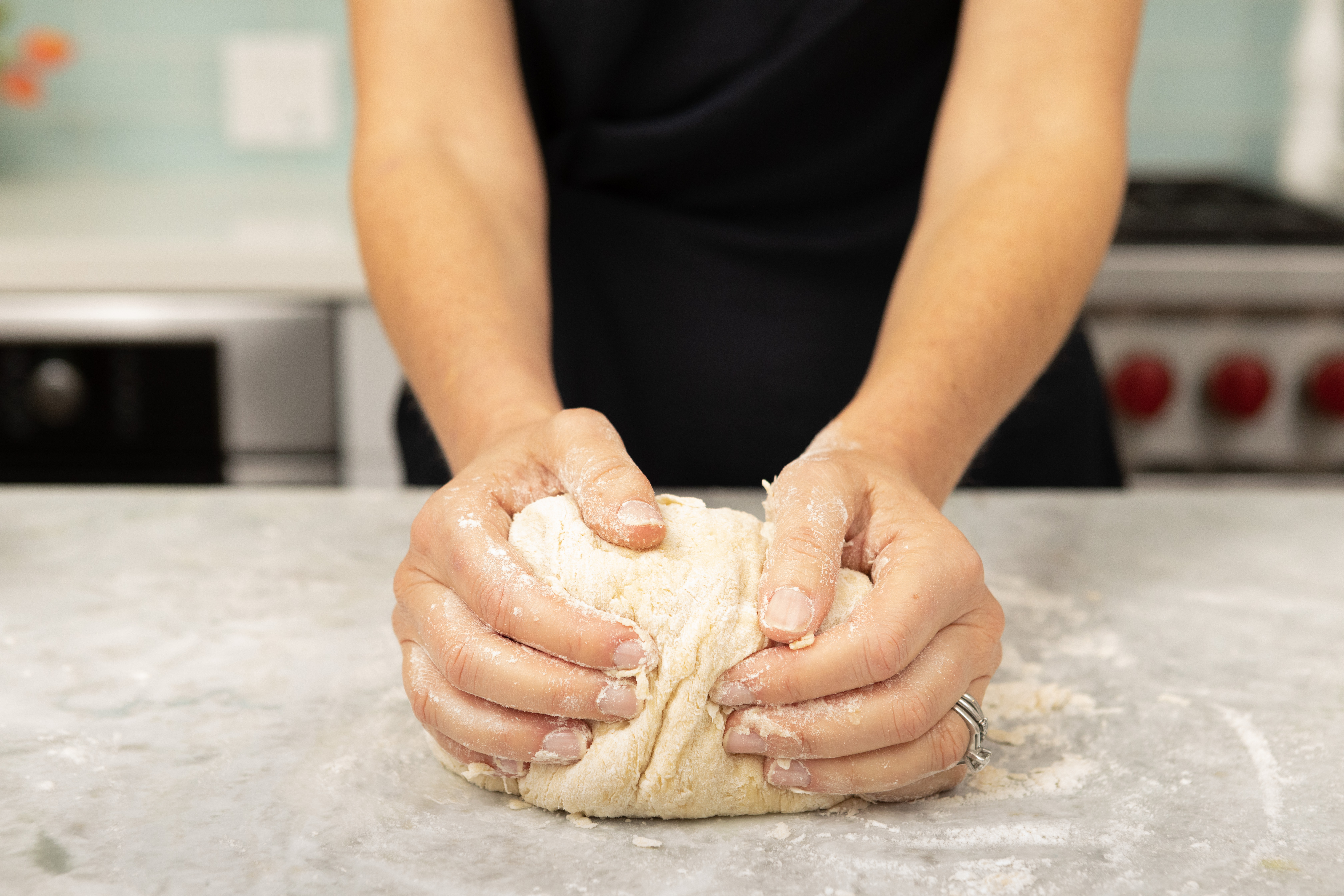
Photo courtesy of the author
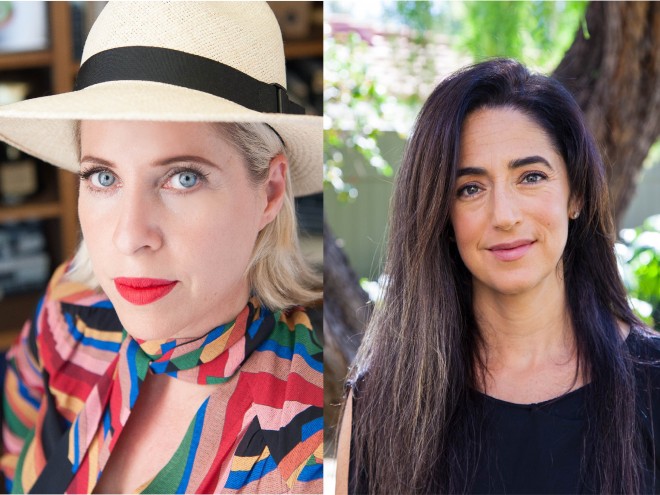
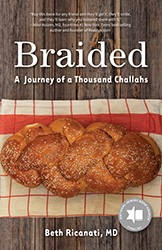
Beth Ricanati, MD, is a board-certified internist and author of the multi-award-winning memoir Braided: A Journey of a Thousand Challahs. She has spent her career focused on improving the well-being of her patients’ lives in traditional medical clinics and wellness programs, and now also as an author/speaker. She resides in Southern California with her family.