Gyoza Kre­plach for Sukkot

This gyoza kre­plach is a main­stay on our Sukkot table. Kre­plach is a sym­bol­ic new year food in some Jew­ish com­mu­ni­ties because the fill­ing is sealed in the noo­dle like judg­ment is sealed in the Book of Life on Yom Kip­pur. When I first learned about kre­plach my first thought was: It sounds like gyoza!’

Prep time: 30 min­utes (not includ­ing broth, if you like to make your own)

Cook time: 10 min­utes

Serves: 8 (2 gyoza/​person; will yield more gyoza than need­ed for soup, about ~30 total)

Ingre­di­ents:

1 lb ground chick­en thigh meat (high­ly rec­om­mend thigh over breast meat for this) 

1 tbsp sake or rice wine

2 fine­ly chopped green onions, ends removed 

1 tbsp peeled and grat­ed ginger 

1 gar­lic clove, fine­ly minced 

1 egg 

1 tsp toast­ed sesame oil 

1 tsp sea salt 

6 cups chick­en broth

31÷2 inch diam­e­ter round gyoza wrappers 

Small bowl of water for seal­ing the gyoza 

2 medi­um car­rots, peeled and cut into Japan­ese ran­giri (chop­ping tech­nique) pieces 

Dill, for garnish 

Instruc­tions:

  1. Mix chick­en, sake, green onions, gin­ger, gar­lic, egg, sesame oil, and salt togeth­er in a medi­um-sized mix­ing bowl. 
  2. Bring chick­en broth to a boil over medi­um heat, (while you begin assem­bling the gyoza) then low­er it to a low sim­mer as you fold the gyoza.
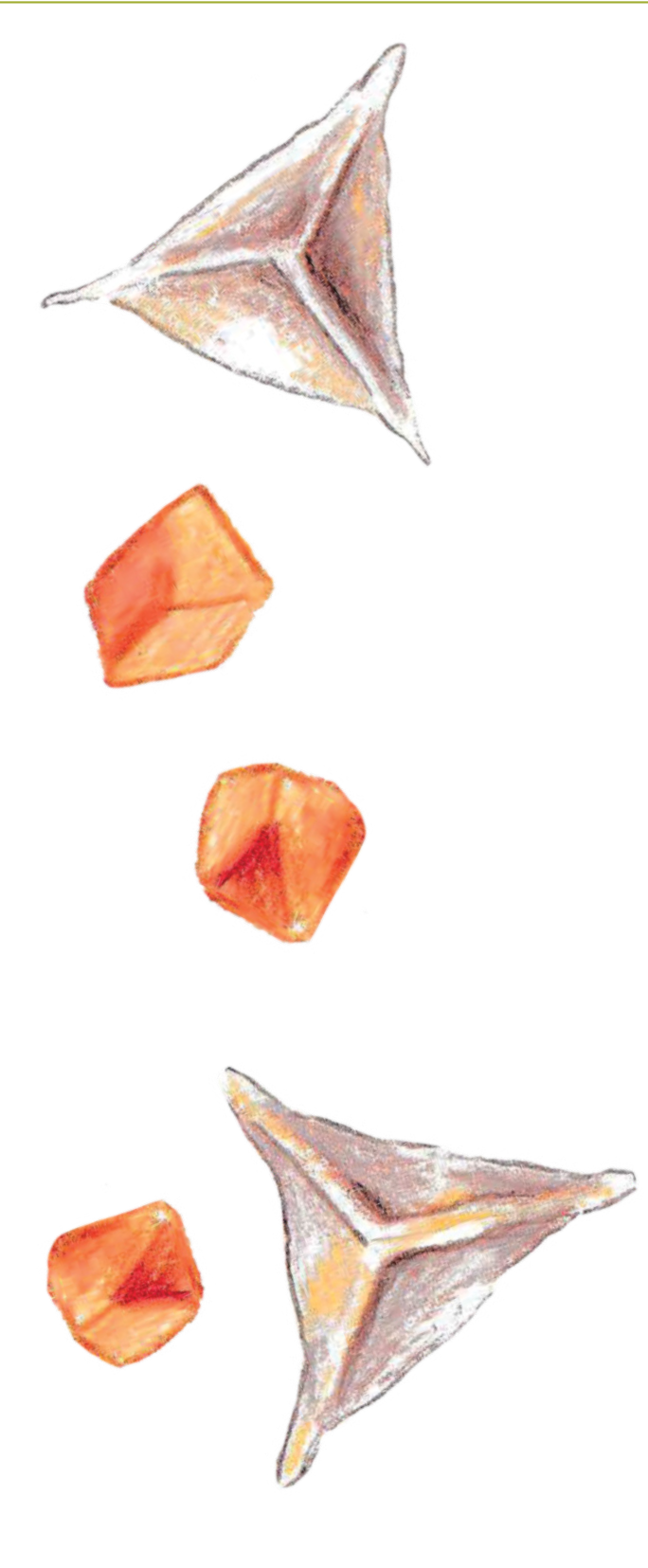
  3. To fold the gyoza, place about 1 tbsp of the meat fill­ing in the cen­ter of a gyoza wrap­per. Dot the out­side edges with water to com­plete­ly seal into a tri­an­gle shape. Make sure there are no holes in the seal so the fill­ing doesn’t seep out. 
  4. Place car­rots in broth, sim­mer for five min­utes. Taste your broth and sea­son it with salt as needed.
  5. Place each gyoza care­ful­ly in the broth, mak­ing sure they don’t stick to the bot­tom of the pot. Turn up the heat to medi­um low and allow the dumplings to cook for five min­utes, or until the fill­ing feels firm. 
  6. Serve each guest equal amounts of car­rots and two gyoza each. Extra gyoza can be kept in the freez­er for future meals.
  7. Gar­nish with dill and serve imme­di­ate­ly. (Be care­ful not to let the gyoza sit in the soup too long. The wrap­pers are quite del­i­cate and can start to break down if they are left too long in the broth.)
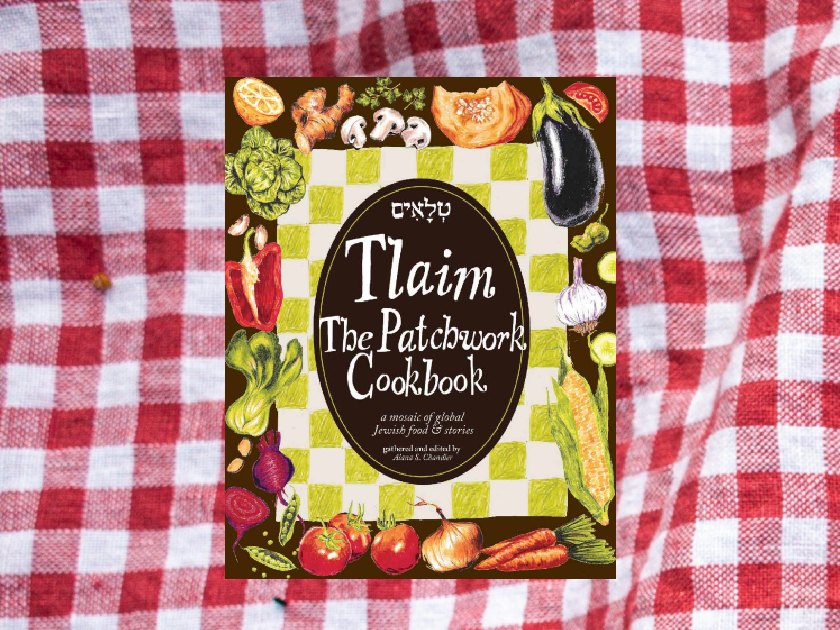
Tlaim: The Patch­work Cook­book takes its name from the Hebrew word for patch­work,” reflect­ing its mis­sion to weave togeth­er a vibrant mosa­ic of more than eighty recipes and sto­ries from Jew­ish com­mu­ni­ties around the world. This grass­roots com­mu­ni­ty cook­book cel­e­brates the eth­nic and racial diver­si­ty of Jew­ish peo­ple, cen­ter­ing his­tor­i­cal­ly under­rep­re­sent­ed Jew­ish iden­ti­ties. Through dish­es root­ed in fam­i­ly mem­o­ry, migra­tion, hol­i­day prac­tice, and every­day life, each recipe serves not only as a set of instruc­tions, but as a door­way into the lived expe­ri­ences, his­to­ries, and tra­di­tions of its con­trib­u­tor. As a patch­work of voic­es and fla­vors, Tlaim invites read­ers to cook, learn, reflect, and encounter the many prac­tices, cul­tures, and sto­ries that make up glob­al Jewry.
The cook­book is avail­able for pur­chase in print and also free to access dig­i­tal­ly. As a non­prof­it project, 100% of the cost of the print­ed cook­book cov­ers print­ing and deliv­ery, paid direct­ly to the print­ing com­pa­ny. 
 

Kristin Eriko Pos­ner is the founder of Nour­ish Co., a web­site that pro­vides inspi­ra­tion to mul­ti­eth­nic peo­ple and fam­i­lies in hopes of help­ing them to cre­ate nour­ish­ing new rit­u­als drawn from time-hon­ored tra­di­tions. She does this through her writ­ing, recipe devel­op­ment, and design of mod­ern heir­looms, all of which explore and cel­e­brate her inter­sect­ing iden­ti­ties as a par­ent, pas­sion­ate home cook, for­mer inte­ri­or design­er, Japan­ese Amer­i­can, and Jew­ish woman.