Join a community of readers who are committed to Jewish stories
Sign up for JBC’s Nu Reads, a curated selection of Jewish books delivered straight to your door!
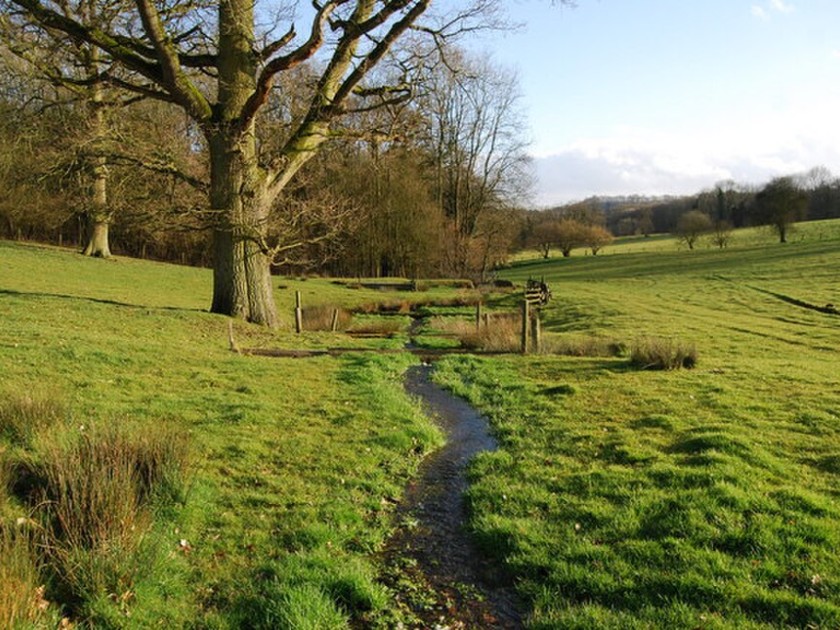
Stream Flowing Over the Gault Clay by Nigel Chadwick, via Wikimedia Commons
Summer camp. The words offer the tantalizing promise of nature, close friendships, romance, and venturing away from home — and, for those of us too old to attend camp ourselves, deep nostalgia. These reads will heighten the anticipation of going to summer camp or let you relive the angst and joy of being there.
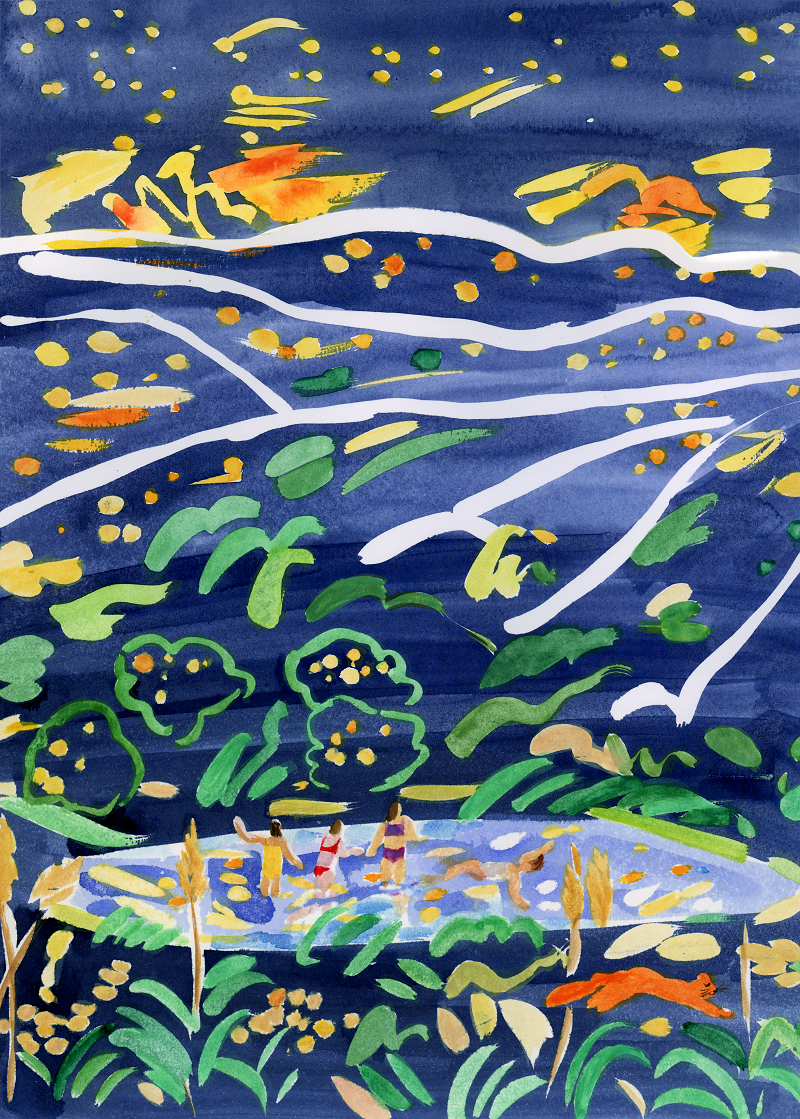
Illustration by Laura Junger
“Coyotes” by Ali Littman
“Before the fire, there is glitter. There’s glitter on the sign outside the girls’ cabin—G‑3 So Free! … The girls wake to glitter on their pillows and in their sheets, sparks of gold and red catching in the corners of their eyes. They roll glitter oil across their pubescent skin so their arms and legs glow at dusk.… They have glitter jelly sandals and Lip Smackers and milk pens.”
In this exquisitely written, nostalgic short story, five girls come of age at Jewish summer camp in the early 2000s. Ali Littman’s poetic prose vividly brings her characters’ experiences to life.
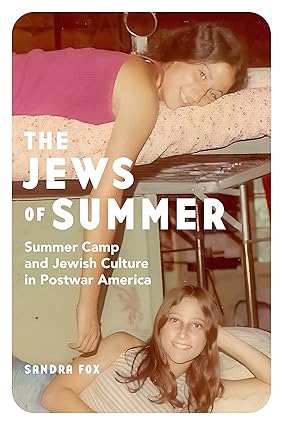
The Jews of Summer: Summer Camp and Jewish Culture in Postwar America by Sandra Fox
“For anyone who attended Jewish summer camp, this book is sure to evoke nostalgia,” writes Emily Schneider in her review of this book. “But even for readers who have never participated in this part of Jewish American life, Sandra Fox’s new study of its impact will both raise and answer many questions.” The Jews of Summer won two National Jewish Book Awards, one for History and the other for Modern Jewish Life. The judges note: “this volume is a delightful way to learn more about postwar American Jews and an exciting example of what the methodologies of social and anthropological history can offer the field of Jewish studies.… This is the rare book that can truly speak to non-academic audiences even as it makes a significant contribution to the field.”
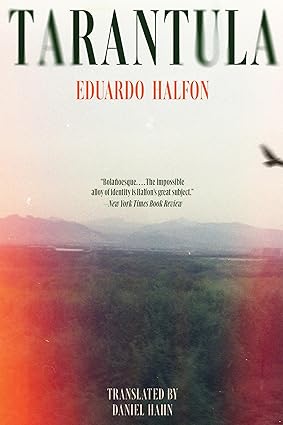
Tarantula by Eduardo Halfon, translated by Daniel Hahn
For a darker take on summer camp, check out Eduardo Halfon’s haunting novel Tarantula, newly translated by Daniel Hahn. Reviewer Daniel H. Turtel writes that “a Jewish outdoor summer program in Guatemala turns into a nightmare when, in an attempt to educate the children under their charge, the counselors stage a reenactment of the Nazi concentration camps, with themselves as Nazis and the unwitting campers as their victims, set in the 1980s. Many years later, one of the campers, a fictional Eduardo Halfon, meets the lead instigator in Berlin, and confronts both his past and his memory. Fast-paced and dark, with an undertone of violent menace that simmers quietly beneath the page without ever quite bubbling over, Tarantula is a masterful novel on inheritance and memory.”
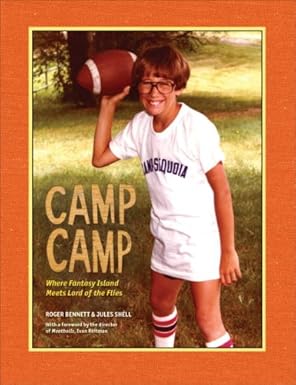
Camp Camp: Where Fantasy Island Meets Lord of the Flies by Roger Bennett and Jules Shell
This visual arts book reminds us of the adventures and misadventures of summer camp — those that make us smile and those that make us cringe. “the authors’ point [is] that summer camp is ‘the story of our generation,’” Nanci Hollander observes in her review. “While reeling between nostalgia and hysteria, we revel in Camp Camp’s desire to evoke childhood memories. Poking fun at each camp ritual, and those who participated in them, allows us to revisit the past. Beautifully composed, the pictures and stories are candid and sincere.”
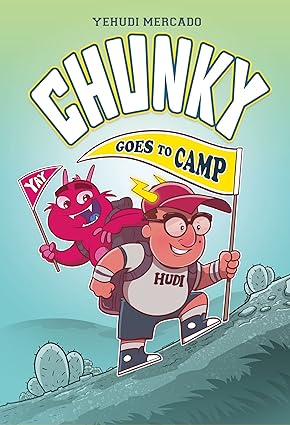
Chunky Goes to Camp by Yehudi Mercado
Not everyone is excited for summer camp. For some of us, the prospect of being away from home for weeks on end sounds more scary than fun. This fact is brilliantly explored in Yehudi Mercado’s second graphic novel for middle grade readers. Reviewer Emily Schneider writes, “Hudi Mercado, the smart, funny, and insecure Jewish Latino kid who first appeared in Chunky, is ready for summer camp. Perhaps ‘ready’ is an overstatement.… In this highly recommended story, author Yehudi Mercado has created, à la his first volume, a younger version of himself who is utterly convincing and impossible not to like. His imaginary mascot, Chunky, a funny but insightful creature who shares a body type and a sense of irony with his human friend, is also back to support Hudi and offer insights.… In the afterword, as Mercado reflects back on his childhood, he assures ‘oddballs’ and ‘weirdos’ that they will find their niche and live to tell the tale.”
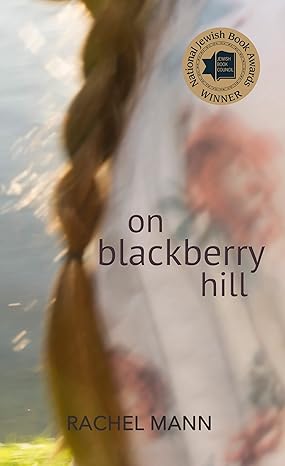
On Blackberry Hill by Rachel Mann
Another book for younger readers, Rachel Mann’s YA novel On Blackberry Hill won the National Jewish Book Award for Young Adult Literature in 2016. “When her musician father goes on tour in Japan, Reena is forced to join her standoffish cousin Lila at Camp Tova, a Jewish sleep-away camp,” writes reviewer Jillian Bietz. “However, she is intrigued by the opportunity to learn more about her mother, who died when she was a baby, in the place her parents met two decades prior.… On Blackberry Hill depicts the value of multigenerational familial bonds and the journey towards self-discovery which teens (especially those familiar with the often insular Jewish sleep-away camp culture) will enjoy reading.”
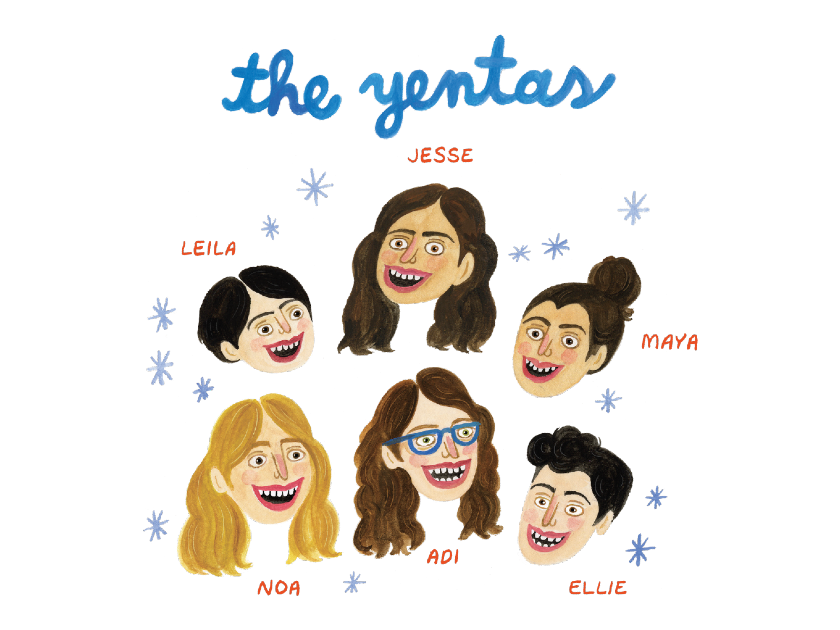
Artwork by Ariella Elovic
“Jewish Sleepaway Camp Gave My Messy Human Body a Home” by Ariella Elovic
In this essay, author and illustrator Ariella Elovic describes the sudden freedom she found in her own body when she lived in a bunk with other girls. “Having a human body with hair and smells and rolls of fat wasn’t strange,” she realized — all of the others had them, too. “Spending two months of the year with these girls encouraged me to (if only for a moment) reconsider the ideas I had about how I had to look or how women should look. I left each summer knowing that me and my body had a loving home to come back to.”
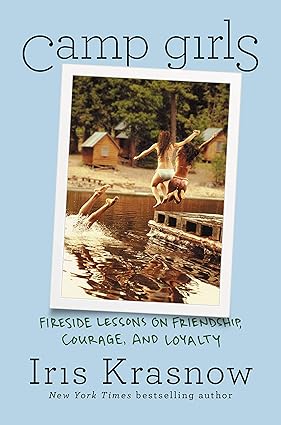
Camp Girls: Fireside Lessons in Friendship, Courage, and Loyalty by Iris Krasnow
“Camp Girls is a nostalgic ramble for anyone who ever attended sleepaway camp,” Rachel Mann declares in her review of this work of nonfiction, a combination of memoir and journalism. “From the smell of the pine trees, to the unforgettable songs and cheers, to the ruthless competition of camp sports, Krasnow evokes the culture of camp.” She points out that camp Iris Krasnow attended “is not a Jewish camp, although most of the campers, when she attended, were. In emphasizing the longevity of camp traditions, which span generations, camp becomes something of a religion in itself; a place where everyone is family, all speak the same language, and creeds are sung daily.”
Becca Kantor is the editorial director of Jewish Book Council and its annual print literary journal, Paper Brigade. She received a BA in English from the University of Pennsylvania and an MA in creative writing from the University of East Anglia. Becca was awarded a Fulbright fellowship to spend a year in Estonia writing and studying the country’s Jewish history. She lives in Brooklyn.