Join a community of readers who are committed to Jewish stories
Sign up for JBC’s Nu Reads, a curated selection of Jewish books delivered straight to your door!
Photo by Christina Terzidou on Unsplash
Spanish is as much a universal Jewish language as Hebrew, Yiddish, or English. For centuries, Jews have used Spanish to tell stories of exile and migration, family and loss, memory and belonging — from the Iberian Peninsula before the Inquisition and subsequent expulsion of Jews from the region, to Latin America with successive waves of migration, and beyond. Yet this rich literary tradition is not one that typically comes up in conversations about Jewish literature.
Hispanic Heritage Month offers an opportunity to recognize this often overlooked part of both Latin American and Jewish literary history with roots extending back to medieval Europe, as well as the writers who have carried these stories into the English-speaking world. Many of today’s Spanish-language Jewish writers today live and work between cultures, countries, and languages.
At Séfer, the global platform for Jewish literature in Spanish, we aim to make these many voices heard. For this recommended reading lists, we have chosen books that take us across Latin America, the United States, Europe, and Israel. Through fiction, poetry, memoir, and travel writing, these picks explore Jewish identity, migration, family, motherhood, grief, language, and belonging, revealing a multitude of Hispanic Jewish experiences.
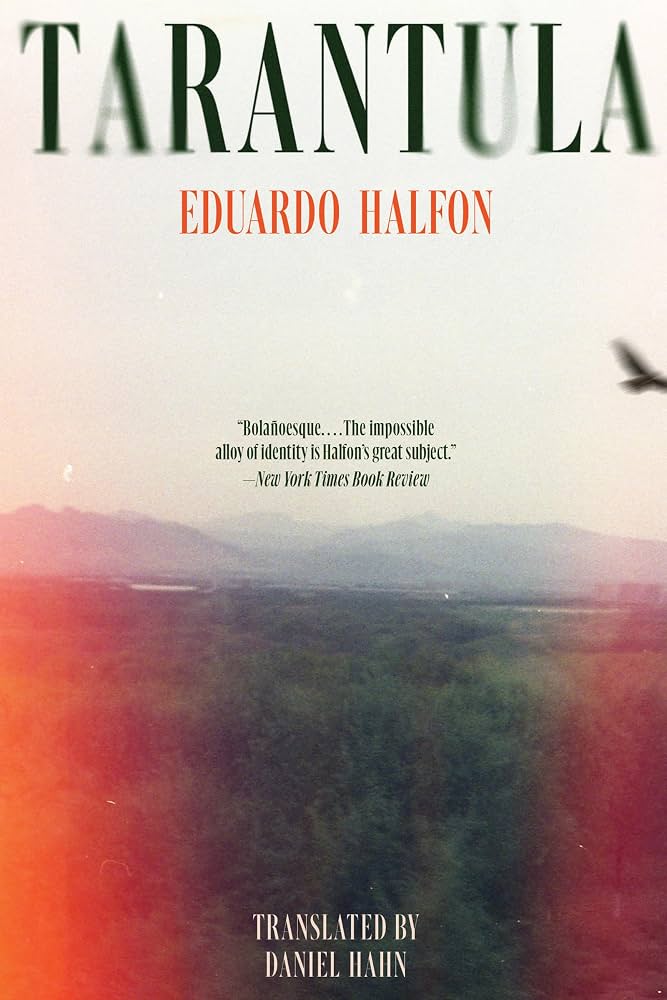
Tarantula by Eduardo Halfon
In Eduardo Halfon’s latest book, an unsettling childhood memory takes on new meaning. In 1984, Eduardo and his younger brother return to their native Guatemala from the United States in order to attend a Jewish children’s camp in the highlands. Many years after a disturbing experience at the camp, Halfon is forced to retroactively confront questions of memory, inherited trauma, and what it means to ‘survive’ as a Jew.
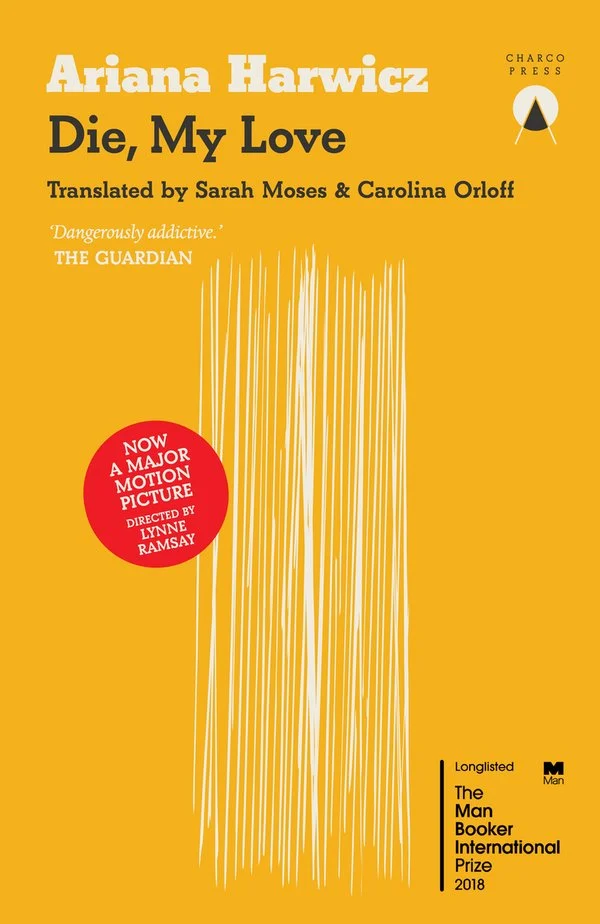
Die, My Love by Ariana Harwicz
Ariana Harwicz’s Die, My Love explores motherhood, desire, and violence through the story of a woman who unravels after becoming a mother. Fierce and unsettling, the novel challenges idealized notions of domestic life. Its recent film adaptation, produced by Martin Scorsese and starring Jennifer Lawrence and Robert Pattinson, has brought Harwicz’s work to an even wider audience.
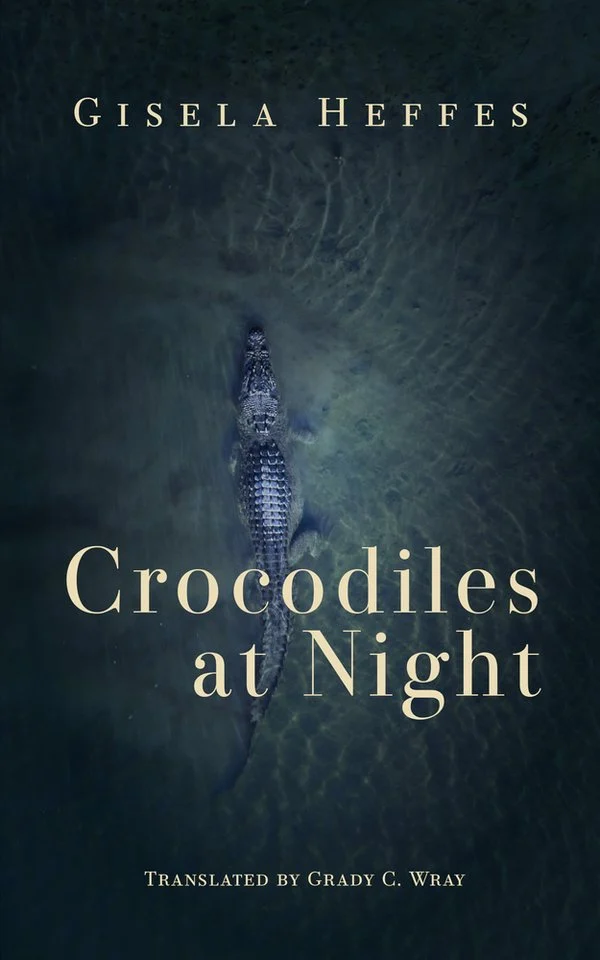
Crocodiles at Night by Gisela Heffes
“Dad died today. It was foretold, but I didn’t see it coming.” Argentine writer Gisela Heffes’s Crocodiles at Night follows a daughter traveling between her home in Houston and her ailing father in Argentina. The novel emphasizes the subjects of grief, family memory, illness, migration, and what happens to the places we leave behind. By switching between settings, it captures the experience of loving and losing people across distances.
Berlin Atomized by Julia Kornberg
Argentine writer Julia Kornberg, who lives in New York, has a particular ability to connect Latin America, Europe, Israel, and the United States within a contemporary, transnational literary landscape. In Berlin Atomized, she follows three siblings across Buenos Aires, Berlin, and Jerusalem, touching on themes of family, politics, migration, generational identity, and belonging.
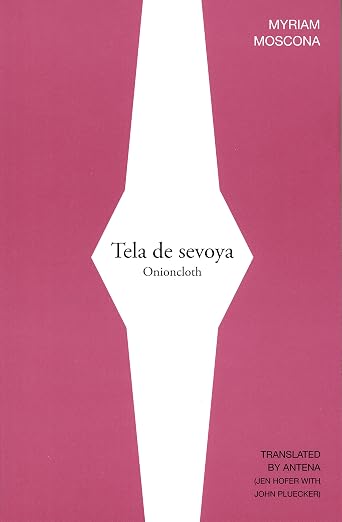
Onioncloth by Myriam Moscona
In her award-winning book, Onioncloth, Mexican writer Myriam Moscona explores Sephardic memory, particularly by focusing on language. The book moves powerfully from individual experience to collective memory, asking what survives migration and how language can carry a lost world across generations.
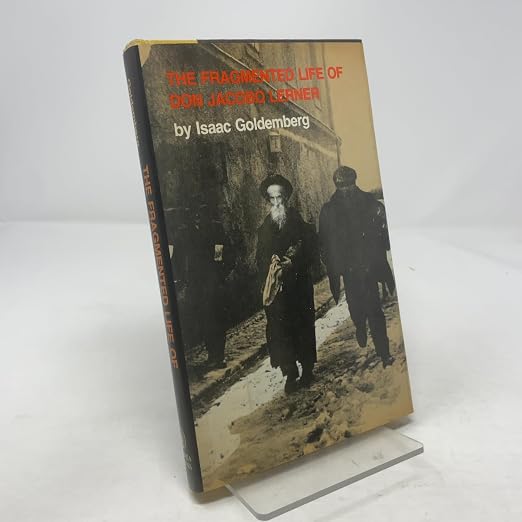
The Fragmented Life of Don Jacobo Lerner by Isaac Goldemberg
A landmark of Latin American Jewish literature, Peruvian Jewish writer Isaac Goldemberg’s novel examines Jewish immigration to Peru. In it, the characters must reconcile with the realities of assimilation, cultural displacement, and tensions between their Jewish and Latin American identities. Through multiple voices and perspectives, Goldemberg captures the fragmentation of a life divided among cultures and competing ideas of home.
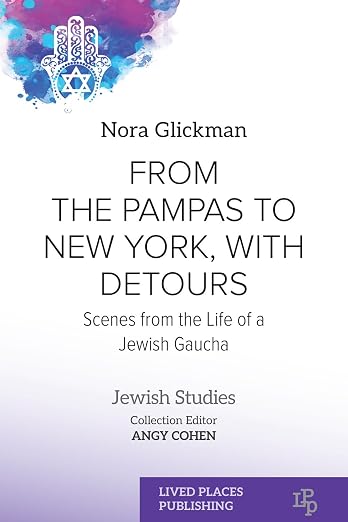
From the Pampas to New York, with Detours: Scenes from the Life of a Jewish Gaucha by Nora Glickman
Nora Glickman uses interconnected autobiographical stories to follow a woman’s journey from the Argentine Pampas to Israel, and eventually to New York. Glickman shows how a life can belong to many places at once, shaped by different languages, geographies, and inherited histories. Moving between Yiddish and Spanish, the book explores what we carry with us as we transition from one country and one idea of home to another.
The Seventh Heaven: Travels Through Jewish Latin America by Ilan Stavans
In The Seventh Heaven, Mexican-born writer Ilan Stavans sets out to understand what it means to be Jewish in Latin America. Traveling through the region and beyond, he encounters communities shaped by different histories and circumstances. The result is a wide-ranging portrait that challenges the idea of a single Latin American Jewish identity.
Julia Rendón Abrahamson is an Ecuadorian-American writer and the Editorial Director of Séfer Barcelona, a platform dedicated to Jewish literature in Spanish. She is the author of Lengua ajena (De Conatus, 2022), Yeguas y terneros, La mano de Malena, and La casa está muy grande. She was awarded the Montserrat Roig Writing Grant by Barcelona UNESCO City of Literature in 2021. Her work in English has appeared in Latin American Literature Today, The Los Angeles Review, Columbia Journal, and other publications. Her story “00572” was selected for Best Literary Translations 2024 (Deep Vellum).